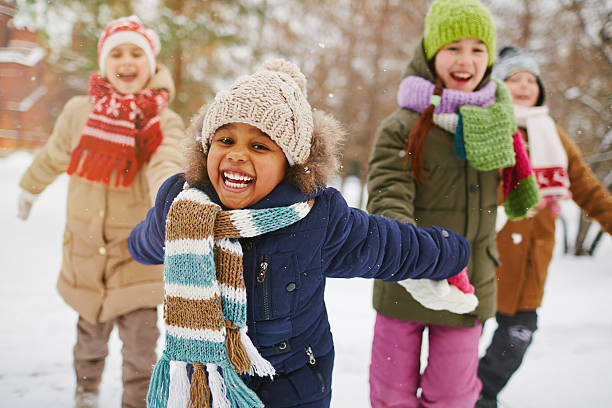
When winter arrives, it brings more than just chilly temperatures—it brings a whole new wardrobe challenge, especially when it comes to kids. Ensuring that your little ones stay warm, dry, and comfortable throughout the colder months can feel like a never-ending task, especially when they’re constantly on the move, playing outside in the snow or enjoying winter sports.
But fear not! With the right winter clothes for kids, you can confidently embrace the season and make sure your children are ready for all the outdoor fun. In this comprehensive guide, we’ll walk you through everything you need to know about dressing your kids for winter. From choosing the right materials to layering like a pro, we’ll make sure your kids stay cozy, warm, and stylish this winter season.
Table of Contents
- Why Winter Clothes Matter for Kids
- Essential Winter Clothing for Kids
- Outerwear: Jackets and Coats
- Base Layers: The Foundation of Warmth
- Middle Layers: Insulation and Comfort
- Bottoms: Pants and Leggings
- Winter Accessories
- Hats and Headwear
- Gloves and Mittens
- Scarves and Neck Warmers
- Boots: Keeping Little Feet Warm
- Tips for Choosing Winter Clothes for Kids
- Fabric and Material Matters
- Layering for Maximum Warmth
- Durability and Comfort
- Winter Fashion Trends for Kids
- Caring for Winter Clothes
- Conclusion: Keeping Your Kids Warm, Happy, and Safe
Why Winter Clothes Matter for Kids
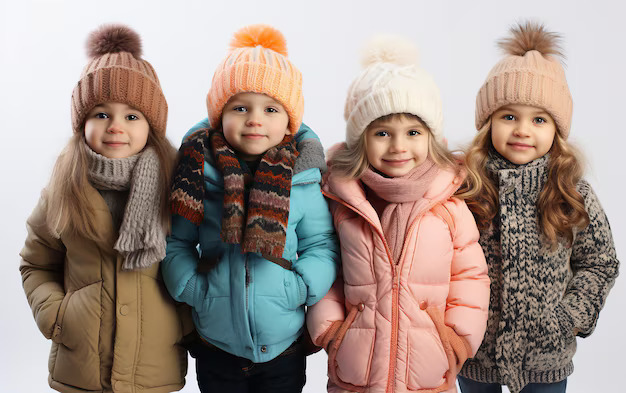
As parents or caregivers, one of our top priorities is to keep our children safe and comfortable, especially when temperatures drop. But winter clothes aren’t just about warmth—they’re about protection. Kids are often outdoors in winter, whether they’re playing in the snow, sledding, or simply walking to school. Without the proper gear, they risk getting too cold, wet, or even developing frostbite.
The key to winter clothing for kids is making sure it’s functional, warm, and comfortable. Kids’ bodies lose heat faster than adults, so their clothes need to be extra insulating and designed to keep them protected from the elements. But at the same time, kids have a lot of energy and need clothing that doesn’t restrict their movements or make them feel too bulky.
Let’s take a deeper dive into the essential winter clothing pieces that will help keep your kids warm, safe, and happy.
Essential Winter Clothing for Kids
When it comes to winter clothes for kids, layering is the key to success. Layers trap warmth while allowing flexibility and comfort, enabling your child to play and move freely while staying toasty. Here’s a breakdown of the essential winter clothing every child needs.
Outerwear: Jackets and Coats
The right outerwear is a must for keeping your child warm in cold and wet conditions. A durable jacket or coat acts as the first line of defense against wind, rain, snow, and freezing temperatures. When shopping for a winter jacket for your child, look for the following:
- Waterproof or Water-Resistant Fabric: Winter often brings wet conditions, so make sure the jacket is designed to handle rain and snow.
- Insulation: Choose coats that are insulated with down or synthetic materials like fleece or polyester for warmth without added bulk.
- Adjustable Features: Features like adjustable cuffs, hoods, and waistbands will help your child stay cozy by sealing in warmth and keeping snow and wind out.
For very cold weather, consider a puffer jacket or parka, as these styles provide the highest level of insulation. Brands like Columbia, The North Face, and Patagonia offer some excellent winter jackets specifically designed for kids.
Base Layers: The Foundation of Warmth
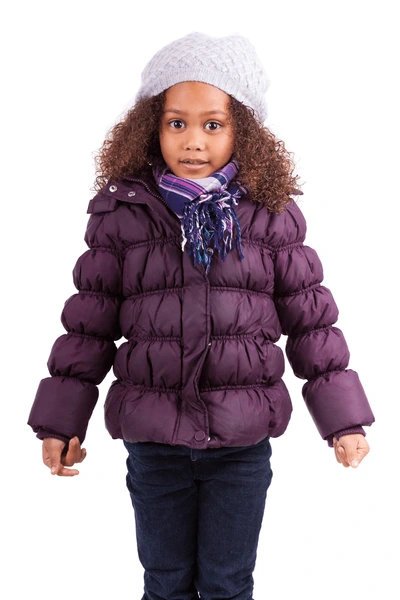
Base layers are the first layer your child wears, and they are crucial for maintaining body heat. These layers should be snug but not tight, as they help trap warmth and wick moisture away from the body. Kids love to play in the snow or roll around, so moisture-wicking fabrics like merino wool or synthetic blends (such as polyester) are perfect for this purpose.
When selecting base layers for kids:
- Avoid cotton: Cotton holds moisture, which can make your child feel cold and uncomfortable.
- Look for breathable fabrics: Materials like merino wool are great at regulating temperature, keeping kids warm without overheating.
Base layers for kids typically include thermal tops and leggings, which can be easily worn under their outerwear.
Middle Layers: Insulation and Comfort
The middle layer provides extra insulation and warmth while maintaining flexibility for movement. Depending on the weather, this layer can range from a lightweight fleece jacket to a thicker down or synthetic insulated vest.
Fleece is a popular middle layer for kids because it is lightweight, soft, and warm. A fleece jacket or pullover is an excellent choice for mild winter days or when your child is active outside. Down or synthetic jackets are also perfect for extremely cold temperatures.
The goal of the middle layer is to trap warmth while allowing for movement. Be sure to check if your child’s middle layer is roomy enough to fit over their base layer but not so loose that it lets in cold air.
Bottoms: Pants and Leggings
Winter bottoms for kids need to be both warm and waterproof. Kids are constantly moving around, whether it’s climbing, running, or playing in the snow, so pants that can withstand the elements are key.
- Waterproof Snow Pants: Look for pants that are insulated and waterproof, such as snow pants or ski pants. These are great for snow play and ensure that your child stays dry and warm.
- Thermal Leggings: For milder days, thermal leggings under regular pants or jeans can provide an extra layer of warmth.
Snow pants should fit comfortably over your child’s boots and not be too bulky, as they might restrict movement.
Winter Accessories
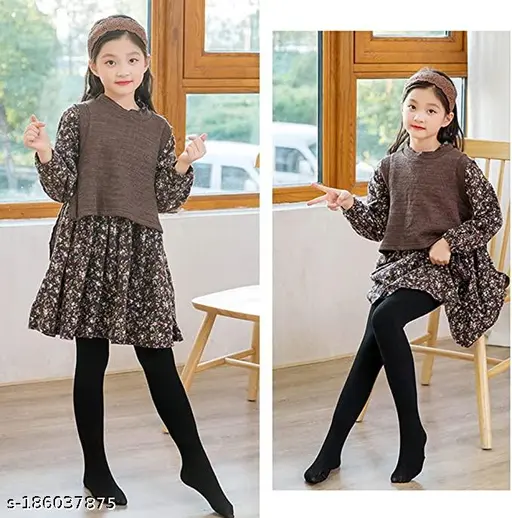
Winter accessories are essential for keeping your child warm and protected in cold weather. These items may seem like simple additions, but they play a huge role in maintaining warmth.
Hats and Headwear
A good winter hat helps prevent heat loss from the head, which can account for up to 40% of body heat. Look for hats made from wool, fleece, or knit fabrics that fit snugly to protect your child’s ears and head. A balaclava or winter beanie is perfect for keeping kids warm on extremely cold days.
Gloves and Mittens
Keeping your child’s hands warm is just as important as protecting their body. Gloves or mittens made from insulated fabrics like fleece or down are great choices. Mittens are often better than gloves for younger kids because they keep the fingers together, allowing for more warmth.
Be sure to choose waterproof or water-resistant gloves if your child plans to play in the snow.
Scarves and Neck Warmers
A scarf can help shield your child’s neck and face from cold winds. A neck warmer or fleece-lined scarf can be a more practical option, especially for younger kids who may find scarves difficult to manage.
Boots: Keeping Little Feet Warm
Winter boots are essential for keeping your child’s feet warm and dry while they play outdoors. Look for boots with insulated lining, waterproof construction, and a sturdy, non-slip sole. It’s important that the boots fit well, allowing for wiggle room while still keeping the feet warm and dry.
Choose boots that are easy to put on and take off, especially for younger kids. Brands like Sorel, Columbia, and North Face offer fantastic winter boots for children.
Tips for Choosing Winter Clothes for Kids
When shopping for winter clothes for kids, keep the following tips in mind to ensure you’re choosing the best options:
- Consider the Fabric: Opt for materials that provide insulation without excessive bulk. Wool, fleece, and down are all excellent choices for warmth.
- Layering Is Key: Layering allows you to adjust warmth as needed. Invest in base layers, middle layers, and outer layers that work well together.
- Durability and Comfort: Kids grow quickly, so invest in clothing that will last more than one season and provide maximum comfort, especially in areas like the sleeves, ankles, and cuffs.
- Weatherproofing: Make sure your child’s clothing is designed to keep the wind and moisture out—especially for those snowy, rainy days.
- Room for Growth: Choose winter clothes with a little extra room to accommodate growth spurts. Adjustable features, like cuffs and waistbands, will also allow for better fitting as the season progresses.
Winter Fashion Trends for Kids
Winter doesn’t mean sacrificing style! Some of the top trends for kids this season include:
- Bright Colors and Prints: From bold primary colors to fun animal prints, this winter, kids can enjoy vibrant outerwear.
- Faux Fur Details: Faux fur trims, hats, and scarves are making a fashion statement while keeping kids warm.
- Puffer Jackets with a Twist: Puffer jackets with fun patterns, bright hues, and metallic finishes are a hit for both boys and girls.

Kids’ winter fashion is all about comfort, but also having fun with playful patterns and bold colors that make cold days exciting.
Caring for Winter Clothes
To ensure your kids’ winter clothes last for many seasons, proper care is essential. Follow the care instructions on the labels of your child’s clothing, and consider storing bulky outerwear in a cool, dry place when not in use. Washing your child’s winter clothes gently, especially down jackets and wool layers, will help preserve their integrity and warmth.
Conclusion: Keeping Your Kids Warm, Happy, and Safe
Winter can be a magical season full of fun and adventure, but it’s essential that your kids are dressed properly to stay warm, safe, and comfortable. By focusing on the essentials—warm outerwear, moisture-wicking base layers, and durable winter accessories—you can make sure your children are ready for anything winter throws their way.
Embrace the season with confidence, knowing that with the right winter clothes, your kids will stay cozy, protected, and stylish all winter long. So go ahead—let them build that snowman, race down the hill on their sled, and enjoy all the winter magic while staying comfortable and warm.
Leave a Reply