Clothing isn’t just about covering up. It’s much more than fabric stitched together to create a functional outfit. It’s a powerful tool that shapes the way you present yourself, how others perceive you, and even how you feel about yourself. What you wear speaks volumes—before you even say a word.
In today’s world, clothing is not only an expression of personal style but also a reflection of culture, values, and even emotions. Whether you’re stepping out for an important business meeting, a casual weekend brunch, or a special event, the clothes you choose can profoundly impact your mood, confidence, and overall experience.
But why is clothing such a potent force in shaping our identity? How can we make smarter choices to feel our best and communicate our values effectively through what we wear?
In this blog, we’ll explore the significance of clothing, how it affects both our inner and outer worlds, and practical tips for curating a wardrobe that enhances your style, confidence, and daily experiences.
The Connection Between Clothing and Identity
From the moment we wake up and decide what to wear, we’re making choices that directly influence our identity. Clothing is an expression of who we are, what we believe in, and what we aspire to be. It speaks volumes about our personality, cultural background, profession, and even our emotional state at any given time.
Why Does Clothing Reflect Our Identity?
Think about it: what would you wear to a job interview? You’d likely choose something professional, clean, and polished, signaling competence and seriousness. On the other hand, if you’re attending a laid-back gathering with friends, you might opt for something comfortable, fun, or even quirky, signaling openness, relaxation, or creativity. Every piece of clothing you wear is a message to both yourself and others.
Here are a few ways clothing connects to our identity:
- Cultural and Heritage Identity: Traditional clothing, like a sari, kilt, or kimono, reflects the cultural background of an individual and their pride in their heritage. These garments tell stories of history, belonging, and shared values.
- Professional Identity: Uniforms, business attire, or work uniforms showcase professionalism, competence, and authority. They send a message of “I belong here” and often help us feel more confident and ready to perform.
- Social Identity: Whether you’re rocking a vintage rock band tee or a high-fashion runway look, clothing can help you identify with specific social groups or communities. It’s often used to showcase shared values and align with like-minded individuals.

Real-Life Example: Steve Jobs’ Signature Look
A perfect example of how clothing can be tied to identity is Steve Jobs, the iconic co-founder of Apple. Jobs famously wore a simple black turtleneck, jeans, and sneakers. His consistent look wasn’t just about convenience; it was about cultivating a minimalist image that aligned with Apple’s brand philosophy. The uniform helped him focus on what mattered—his work and his creativity—while signaling a sense of authenticity and practicality.
How Clothing Affects Confidence
The right clothing can work wonders for your self-esteem. Have you ever noticed how a perfectly fitting outfit can make you stand taller, smile brighter, and walk with confidence? That’s no coincidence. Clothing has a psychological effect on our emotions and behavior. This phenomenon is known as “enclothed cognition.”
Enclothed Cognition: What Does It Mean?
Enclothed cognition refers to the impact that clothes have on our psychological state. When we wear something that makes us feel powerful, comfortable, or put-together, it boosts our cognitive performance, mood, and confidence. Conversely, when we’re in uncomfortable or ill-fitting clothes, we may feel less self-assured and distracted.
Research-Backed Insights
A study by the Journal of Experimental Social Psychology showed that participants who wore lab coats (which they believed were doctor’s coats) performed better on cognitive tasks than those wearing regular clothing. This reinforces the idea that clothing not only alters how others see us but also shapes our self-perception and cognitive abilities.
The Impact of Colors
The colors you wear can also impact your mood and the energy you project. Colors aren’t just visually stimulating; they carry psychological meanings that can affect your emotions and behavior.
- Red: Often associated with power, passion, and energy, red can boost your confidence and even increase your heart rate.
- Blue: Calming and trustworthy, blue can help you feel more composed and stable.
- Black: A symbol of elegance and authority, black can make you feel more sophisticated and powerful.
- Yellow: The color of optimism and creativity, yellow can boost your mood and make you feel more energetic.
Real-Life Example: Power Dressing
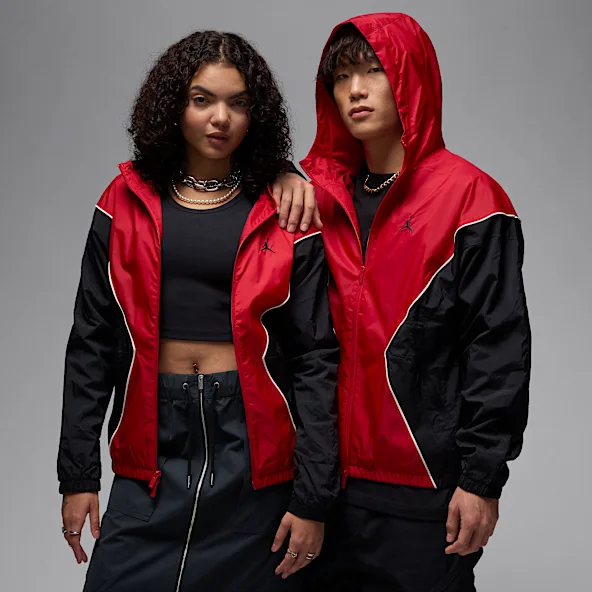
Think about the concept of “power dressing.” The tailored suit, the crisp blouse, or the perfectly paired accessories all contribute to a polished and assertive look. Many successful individuals, from politicians to CEOs, understand the influence of clothing on their presence. For example, Hilary Clinton’s pantsuit look during her presidential campaign was widely recognized as a symbol of strength and determination. Her style was both professional and empowering, sending a message of readiness to lead.
Building a Wardrobe That Reflects Your True Self
Now that we’ve explored how clothing reflects and affects identity and confidence, let’s dive into some practical tips for building a wardrobe that feels true to you. A well-curated closet is not about following trends, but about selecting pieces that align with your personal style, values, and comfort.
1. Know Your Style
Take the time to reflect on your style preferences. Are you drawn to classic pieces, bohemian vibes, or contemporary fashion? Your style should be an authentic representation of who you are, so it’s crucial to understand the aesthetic that makes you feel comfortable and confident.
Tips:
- Start by creating a mood board or Pinterest board of outfits that catch your eye.
- Pay attention to patterns in the clothes you already own. Do you gravitate toward neutral colors, or do you prefer bold prints?
- Consider your lifestyle—if you’re a busy professional, you may need versatile, polished pieces that work for work and social events.
2. Invest in Quality Basics
A wardrobe full of basic, high-quality pieces can serve as the foundation for endless outfit combinations. Items like a tailored blazer, white button-up shirt, well-fitting jeans, and a comfortable pair of sneakers can work for various occasions and seasons.
Why Quality Matters:
Investing in timeless, quality pieces ensures durability and comfort. You’ll feel better in well-made clothes, and they often last longer, reducing the need to constantly replace fast-fashion items.
3. Experiment with Accessories
Accessories are an excellent way to elevate your outfit and express personality. From a statement necklace to a sleek watch, accessories can help you personalize any look. Don’t be afraid to experiment with different textures, colors, and designs until you find what resonates with you.
4. Choose Clothing That Makes You Feel Good
Above all, your wardrobe should prioritize comfort and confidence. Don’t hold onto clothing that makes you feel restricted or self-conscious. Opt for pieces that enhance your mood and make you feel empowered.
Real-Life Example: The Lululemon Athletica Effect
Lululemon has built a brand around clothing that makes you feel confident and strong. Whether you’re doing yoga or running errands, the brand emphasizes the power of activewear to support both your physical and mental wellbeing. Their slogan, “Feel your personal best,” reflects how wearing clothing that fits your lifestyle can boost confidence and performance.
5. Experiment with Color and Patterns
If your wardrobe feels too bland or monotonous, experiment with colors and patterns to add variety and personality. Don’t be afraid to incorporate bold shades or prints into your outfits, but remember to balance them with neutrals for a harmonious look.
6. Stay True to Your Values
Finally, consider the sustainability and ethical aspects of your clothing choices. Many fashion brands are now focusing on eco-friendly practices and promoting sustainable production. Choosing clothing that aligns with your values can add an extra layer of fulfillment to your wardrobe.
Conclusion: Your Wardrobe, Your Power
Your wardrobe is not just a collection of clothes; it’s an extension of who you are. The clothes you wear have the power to shape your identity, boost your confidence, and influence the way you move through the world. By curating a wardrobe that reflects your personal style, values, and comfort, you empower yourself to be your best version every day.
So, next time you stand in front of your closet, take a moment to reflect on the clothes that make you feel good, the ones that tell your story, and the ones that allow you to express your authentic self. After all, how you feel in your clothes is just as important as how you look in them.
Ready to take charge of your wardrobe? Start with a few small changes—maybe it’s a color you’ve never tried or a style you’ve always admired. The power to transform how you feel and how you’re perceived is right at your fingertips.
Leave a Reply