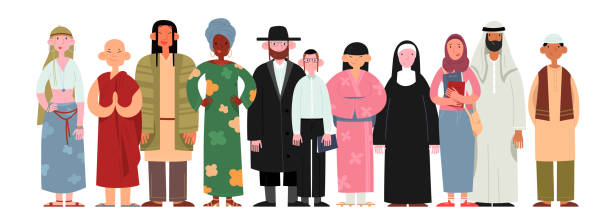
Meta Description: Explore the significance and diversity of religious clothing across various faiths. Learn how different cultures express identity, spirituality, and beliefs through attire.
Introduction: The Connection Between Faith and Fashion
Clothing is more than just a way to cover our bodies; it’s a form of self-expression, a marker of cultural identity, and, in many religions, a powerful symbol of faith. From the modest, flowing robes worn by Muslims to the intricate garments of Jewish priests, clothing in religious contexts serves as a means of adhering to spiritual beliefs, maintaining cultural heritage, and promoting a sense of community.
In this article, we’ll explore how different religious traditions use clothing to express faith, community, and devotion. Whether it’s a Christian nun’s habit, a Sikh’s turban, or a Hindu’s saree, each piece of clothing tells a unique story of identity, respect, and spirituality. Let’s dive into the world of religious attire, highlighting the meaning behind some of the most iconic garments from around the globe.
1. Islam: Modesty and Respect in Clothing
In Islam, modesty is an important aspect of faith, and this is reflected in the clothing choices of Muslim men and women. The concept of modest dress is tied to the idea of humility, respect for oneself, and reverence for God.
Women’s Clothing: The Hijab and Beyond
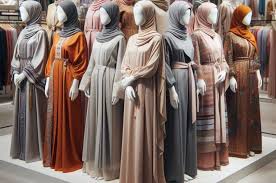
For many Muslim women, wearing the hijab (headscarf) is a key practice. The hijab is often worn to cover the hair, neck, and sometimes the shoulders, as an expression of modesty and to protect a woman’s privacy. It’s important to note that wearing a hijab is a personal choice, and some women opt for different styles, including the niqab (which covers the face) or the burqa (a full-body covering with a mesh screen over the face). These garments are worn to maintain modesty in front of non-family members.
- Real-Life Example: Layla, a young professional in Cairo, wears her hijab as an act of faith. She shares that it helps her feel connected to her spirituality and reminds her of her commitment to modesty in her daily interactions.
Men’s Clothing: The Thobe and Kufi
For Muslim men, modesty is also essential, and many choose to wear a thobe, a long robe-like garment that is common in Middle Eastern countries. It’s usually worn in white but can come in various colors. The kufi is a traditional hat worn by Muslim men, particularly in African and Southeast Asian communities, as a mark of respect and a connection to faith.
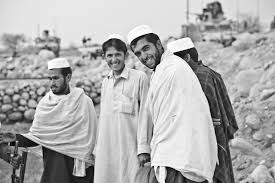
- Real-Life Example: Ahmed, a father of three in Saudi Arabia, wears a thobe daily for both religious and cultural reasons. He explains that the garment represents humility and unity with the Muslim community.
2. Christianity: Faith, Tradition, and Symbolism in Garments
Christian clothing traditions vary widely depending on denomination, region, and personal preference. While everyday attire doesn’t typically have specific religious significance, certain garments are used in religious settings, particularly by clergy or during special services.
Clerical Clothing: The Cassock, Alb, and Chasuble
In Catholicism and other Christian denominations, the clergy wear specific liturgical garments to symbolize their roles and connection to God. The cassock is a long, dark robe worn by priests. Over this, the alb (a white garment) is worn, often with a chasuble (a vestment worn during Mass). These garments are symbolic of purity, humility, and the priest’s role as an intermediary between God and the people.
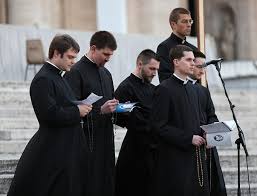
- Real-Life Example: Father Michael, a Catholic priest from New York, explains that his cassock and chasuble are not just pieces of clothing but represent his commitment to serving his community and his dedication to God.
Nuns’ Habits: Modesty and Devotion
For women in religious orders, such as Catholic nuns, the habit is a distinctive uniform. Nuns wear habits as a sign of their vow of chastity, poverty, and obedience. The habit usually consists of a modest dress, a veil, and a scapular (a piece of cloth that covers the shoulders).
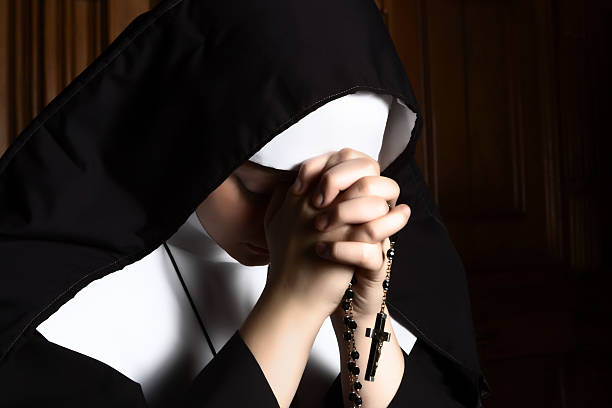
- Real-Life Example: Sister Teresa, who has been a nun for over 20 years, shares that the habit is a constant reminder of her devotion to God and her commitment to her vows.
3. Sikhism: Identity, Honor, and Spirituality Through Clothing
Sikhism places a strong emphasis on equality, humility, and spirituality. Sikh men and women are encouraged to wear clothing that reflects their commitment to these principles.
The Turban: A Symbol of Faith and Equality
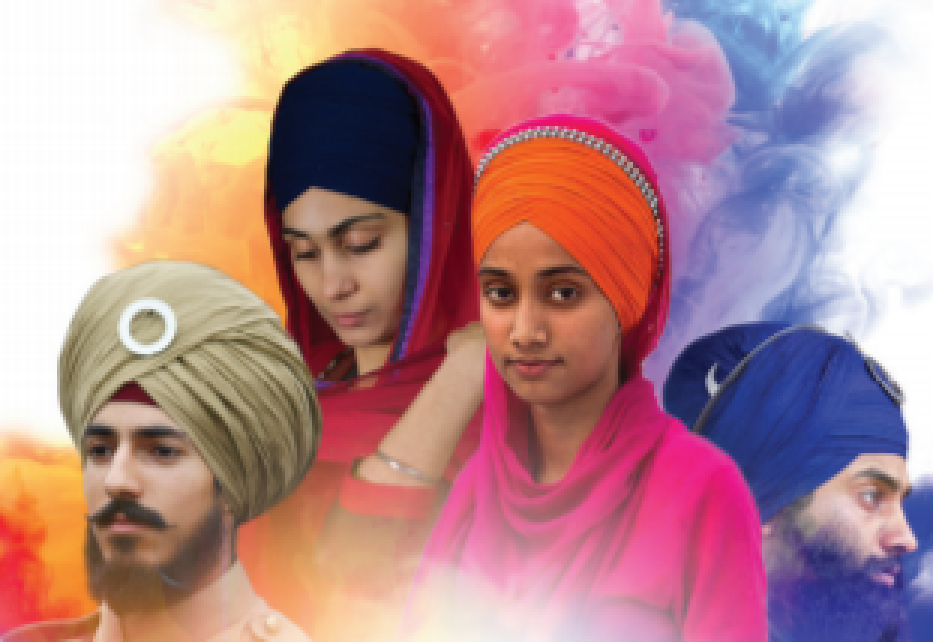
The turban, or dastaar, is one of the most iconic garments in Sikhism. Worn by Sikh men (and sometimes women), it signifies honor, respect, and a commitment to the values of Sikhism. The turban also serves as a reminder to uphold the teachings of the Gurus, including humility, equality, and service to others.
- Real-Life Example: Harpreet, a Sikh student in London, proudly wears his turban. He explains that it’s not only a symbol of his faith but also a constant reminder to lead a life of service and integrity.
The Kara and Kachera: Symbols of Spiritual Discipline
In addition to the turban, Sikhs wear the kara (a steel bracelet) and the kachera (cotton undergarments) as part of the Five Ks, which are symbols of their faith and commitment to the Guru’s teachings.
- Real-Life Example: Amrit, a Sikh professional, wears his kara every day, believing it helps remind him to stay disciplined and true to his values of service and equality.
4. Judaism: Traditional Garments with Deep Religious Significance
Judaism has a rich tradition of clothing that reflects the history, identity, and spiritual practices of its people.
The Tallit: Prayer Shawl for Jewish Men
The tallit, a prayer shawl worn by Jewish men, is one of the most important religious garments. It is typically worn during daily prayers, Shabbat, and Jewish holidays. The tallit is a rectangular piece of cloth with fringes (tzitzit) attached to each corner, in accordance with the commandment in the Torah to wear fringes on the corners of one’s garments.
- Real-Life Example: David, a Jewish man from New York, shares that the tallit helps him focus on his prayers and reminds him of his Jewish identity, keeping him connected to God during sacred moments.
Kippah: A Sign of Reverence and Humility
The kippah (or yarmulke) is a small, round cap worn by Jewish men as a sign of reverence to God. It’s customary to wear a kippah during prayers, meals, and other significant events.
- Real-Life Example: Yosef, a Jewish teacher, wears his kippah every day. He believes it helps him stay humble and reminds him that God is always present, watching over him.
5. Hinduism: Sacred Garments and Cultural Identity
Hindu clothing is deeply connected to religious rituals, festivals, and the expression of one’s spiritual beliefs. The attire reflects the cultural diversity and traditions that have evolved over thousands of years.
The Saree: A Timeless Symbol of Femininity and Modesty
The saree is one of the most iconic garments worn by Hindu women, particularly during religious ceremonies, festivals, or daily life. This elegant garment consists of a long piece of cloth, usually about six to nine yards, draped around the body in various styles.
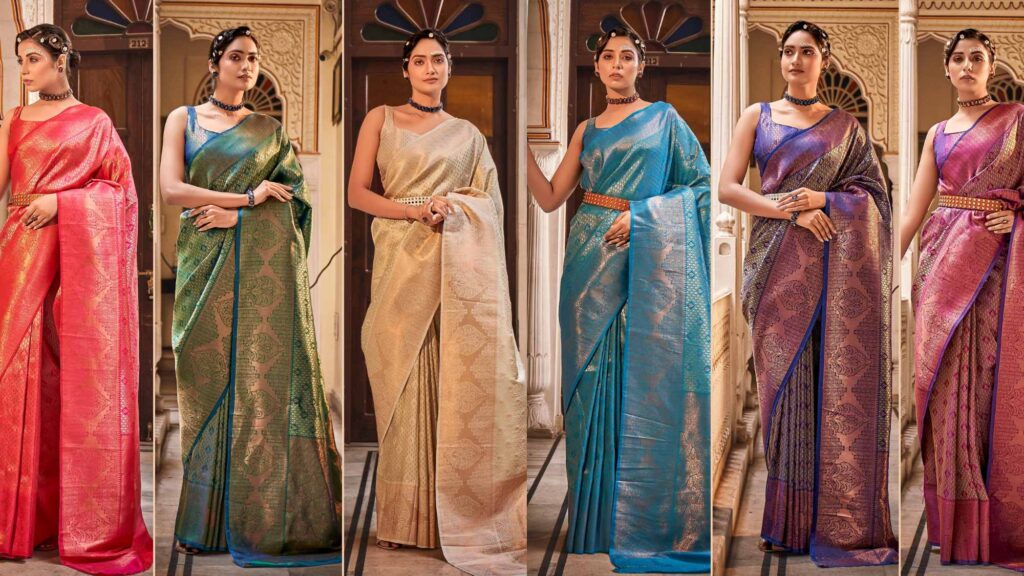
- Real-Life Example: Priya, a Hindu woman from India, wears her saree during festivals like Diwali. She sees the saree as a symbol of respect to her heritage, culture, and the gods she worships.
The Dhoti: Traditional Clothing for Hindu Men
The dhoti is a traditional garment worn by Hindu men, often during religious ceremonies, festivals, or daily rituals. It’s a cloth wrapped around the waist and tied in place. In some regions, the dhoti is paired with a kurta, a loose-fitting shirt.
- Real-Life Example: Rajesh, a Hindu priest, wears his dhoti during temple services, considering it an essential part of his spiritual practice.
Conclusion: Clothing as an Expression of Faith, Identity, and Culture
Clothing is much more than a functional part of our lives—it serves as a visual expression of our beliefs, values, and cultural identity. From the hijab and turban to the tallit and saree, religious garments help individuals connect with their faith, honor traditions, and foster a sense of belonging.
As we’ve seen, clothing across religions is imbued with deep meaning and significance, serving not only as a marker of devotion but also as a powerful form of self-expression. Whether it’s the modesty of Islamic attire, the honor of the Sikh turban, or the cultural beauty of the Hindu saree, each piece of clothing offers insight into the ways faith influences our daily lives and shapes our connection to the world around us.
Call to Action: If you’re interested in exploring more about how religious attire shapes culture and identity, dive deeper into the traditions of different faiths. Embrace the beauty of diversity and learn how clothing plays a crucial role in expressing beliefs and spirituality across the globe.
Leave a Reply