
As the days grow shorter and the chill sets in, the thought of bundling up in cozy winter clothes becomes more enticing. Whether you’re heading to work, going for a brisk walk, or simply enjoying a cup of hot cocoa by the fireplace, the right winter clothing can make all the difference in how you feel. But, with so many options out there, how do you navigate the world of winter wear to stay warm, comfortable, and stylish?
In this comprehensive guide, we’ll explore everything you need to know about winter clothes—how to choose the best ones, which materials keep you warmest, and how to layer effectively for maximum comfort. Plus, we’ll dive into the latest trends, so you can stay chic while braving the cold. So grab your favorite sweater (or maybe a blanket!) and read on to discover how you can stay stylish and warm all winter long.

Table of Contents
- Why Winter Clothes Matter
- Key Winter Clothing Materials
- Wool: The Natural Insulator
- Down: The Lightweight Powerhouse
- Fleece: The Soft, Cozy Companion
- Synthetic Fabrics: Budget-Friendly and Effective
- The Art of Layering
- Base Layer: The Foundation of Warmth
- Middle Layer: Insulation Is Key
- Outer Layer: Wind and Waterproof Protection
- Winter Wardrobe Essentials
- Jackets and Coats
- Hats, Gloves, and Scarves
- Boots: Footwear for Cold Weather
- Thermal Underwear and Leggings
- Sweaters and Cardigans
- Winter Fashion Trends
- Caring for Your Winter Clothes
- Conclusion: Embrace the Cold in Style
Why Winter Clothes Matter
We all know the feeling of stepping outside on a cold winter morning, only to be greeted by a blast of icy air. Without the right winter clothing, those frosty days can quickly turn miserable. But beyond just keeping us warm, winter clothes serve several important purposes.
Firstly, they protect our skin from harsh weather conditions like snow, sleet, and wind. But it’s not just about shielding yourself from the cold—proper winter wear also helps regulate your body temperature. When layered correctly, your clothing can trap body heat while allowing moisture to escape, preventing that uncomfortable cold and clammy feeling.
Beyond function, winter clothes are also about expressing your style. From bold outerwear to cozy accessories, winter fashion gives you the opportunity to layer up in ways that are both practical and chic.
Key Winter Clothing Materials
When shopping for winter clothes, the fabric plays a critical role in determining how warm, comfortable, and durable your clothing will be. Let’s take a look at some of the top materials used in winter wear.
Wool: The Natural Insulator
Wool has been a staple in winter clothing for centuries—and for good reason. This natural fiber is excellent at trapping warmth while still allowing your skin to breathe. Wool is also moisture-wicking, meaning it will keep you warm even if you sweat. This makes it perfect for outdoor activities like skiing or snowshoeing.
A classic wool sweater or coat is an essential piece in any winter wardrobe. Just be sure to check the quality of the wool, as finer wool (such as merino) is softer and less itchy than coarser types.
Down: The Lightweight Powerhouse
Down feathers, typically from ducks or geese, are another winter clothing hero. Down is incredibly lightweight yet exceptionally insulating, which is why it’s commonly used in jackets and coats. The feathers trap air, forming a natural barrier that helps regulate body temperature, keeping you warm without feeling bulky.
A down jacket is a go-to for anyone looking to stay warm in extreme cold without sacrificing mobility or style. Just make sure the jacket has a high fill-power rating (higher numbers indicate better insulation).
Fleece: The Soft, Cozy Companion
Fleece is another fan favorite when it comes to winter wear. Made from synthetic fibers, it’s lightweight, breathable, and warm without feeling too heavy. Fleece jackets, pullovers, and hats are perfect for layering during winter hikes or casual outings. Plus, fleece is soft and comfortable against the skin, making it ideal for wearing all day long.
Although it doesn’t offer the same level of warmth as down or wool, fleece is still a solid option for milder winter days.
Synthetic Fabrics: Budget-Friendly and Effective
Synthetic fabrics like polyester and nylon are often used in winter clothing because they are affordable and perform well in cold conditions. These materials are designed to wick away moisture and keep you warm, even in wet weather. Many modern winter coats and outer layers use a combination of synthetic insulation (like PrimaLoft) and moisture-resistant fabrics for optimal performance.
Synthetic fabrics can also be an excellent option for those who prefer animal-free clothing, as they mimic the properties of down without using feathers.
The Art of Layering
One of the best ways to stay warm during the winter is through layering. By wearing multiple layers, you create air pockets between the fabric that trap heat, keeping your body temperature regulated. Proper layering is key to making sure you don’t overheat or freeze, depending on the activity you’re doing.
Base Layer: The Foundation of Warmth
Your base layer is the first line of defense against the cold. This layer should fit snugly against your skin and be made from moisture-wicking materials like merino wool, polyester, or nylon. Avoid cotton, as it retains moisture, which can lead to discomfort and even hypothermia in extreme conditions.
Base layers typically include thermal tops and leggings. For extra warmth, look for items with a higher “weight,” such as heavy wool or thermal fabrics.
Middle Layer: Insulation Is Key
The middle layer provides insulation and is designed to keep you warm. Fleece, down, or synthetic jackets work great as mid-layers. This layer should fit comfortably over your base layer but not too tightly, as you need to leave room for air circulation.
For extra warmth, you can even combine layers—such as wearing a fleece jacket under a down vest—if you’re heading into particularly cold temperatures.
Outer Layer: Wind and Waterproof Protection
Your outer layer is all about protecting you from the elements. Whether it’s a windproof jacket, a waterproof coat, or both, this layer should shield you from rain, snow, and wind. Opt for materials like Gore-Tex, which are both breathable and waterproof. A good outer layer will ensure that the warmth you’ve created with your base and middle layers stays locked in.
Winter Wardrobe Essentials
Now that we’ve covered materials and layering, let’s dive into the essential winter clothing items you need to stay both warm and fashionable.
Jackets and Coats
A well-fitted jacket or coat is the centerpiece of any winter wardrobe. From sleek parkas to long wool coats, there’s a winter jacket style for every occasion. Look for a coat with a high fill rating for down jackets, or opt for a wool-blend coat for something more sophisticated.
Popular styles include:
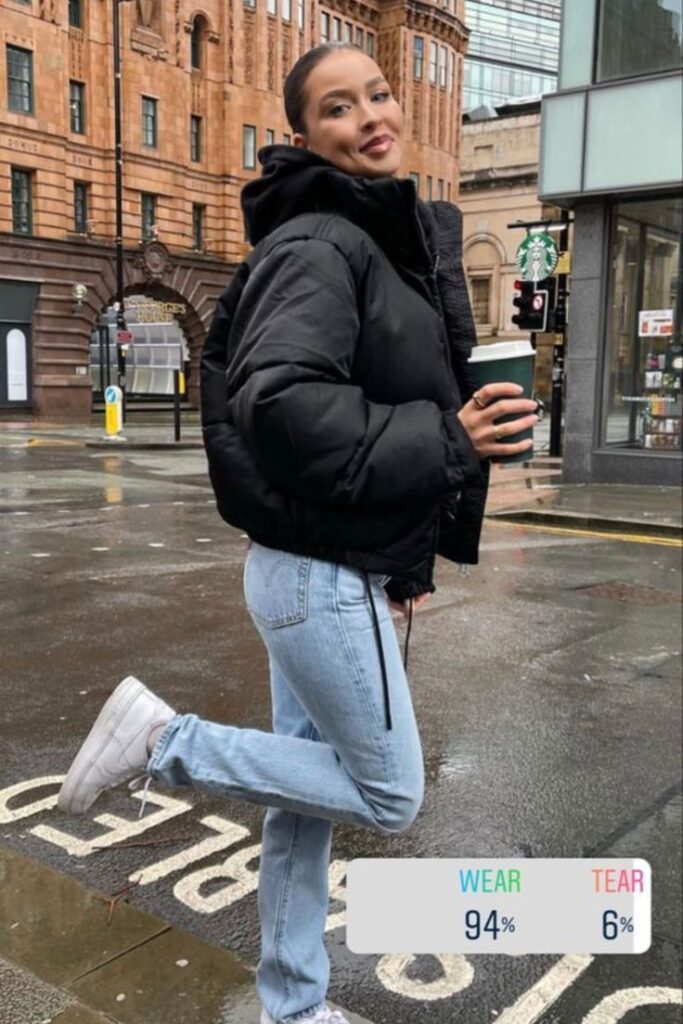
- Puffer Jackets: These are perfect for frigid weather due to their thick insulation and water-resistant fabric.
- Peacoats: A classic wool coat that provides both style and warmth.
- Trench Coats: Ideal for milder winter days and typically made from heavier fabrics like wool or cotton.
Hats, Gloves, and Scarves
Winter accessories are not only functional but also a fun way to add personality to your outfit. A cozy beanie, insulated gloves, and a soft scarf will keep your extremities warm. Look for gloves with touchscreen capabilities if you need to use your phone while out in the cold.
Boots: Footwear for Cold Weather
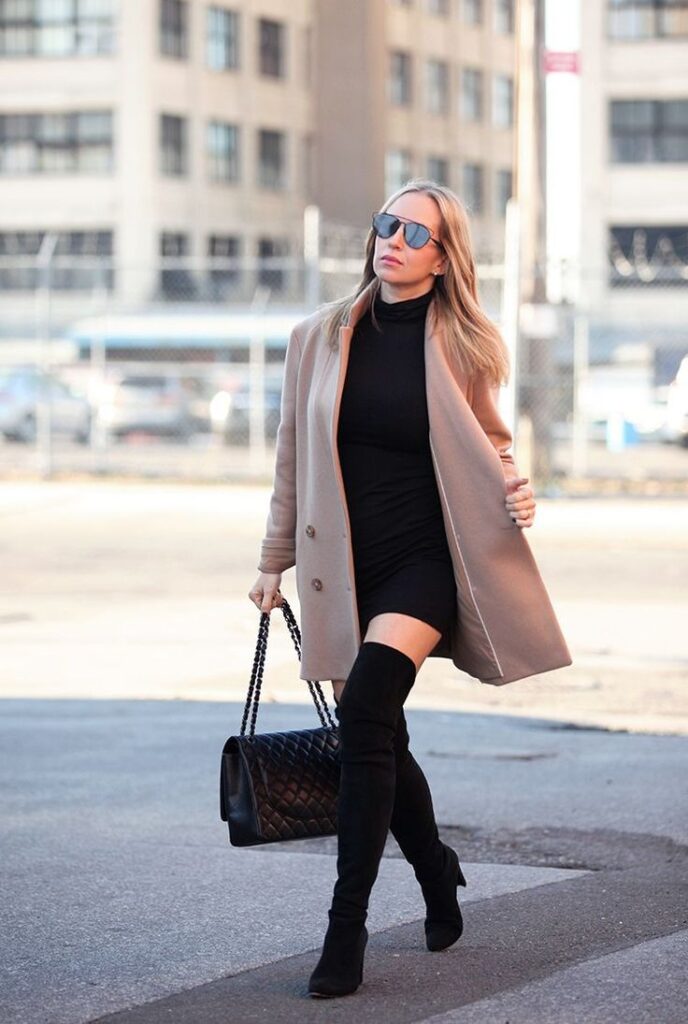
Winter boots are built to withstand cold temperatures and icy conditions. Look for insulated boots with rubber soles for traction in snow and slush. For particularly cold climates, consider waterproof boots with fleece lining for extra warmth.
Thermal Underwear and Leggings
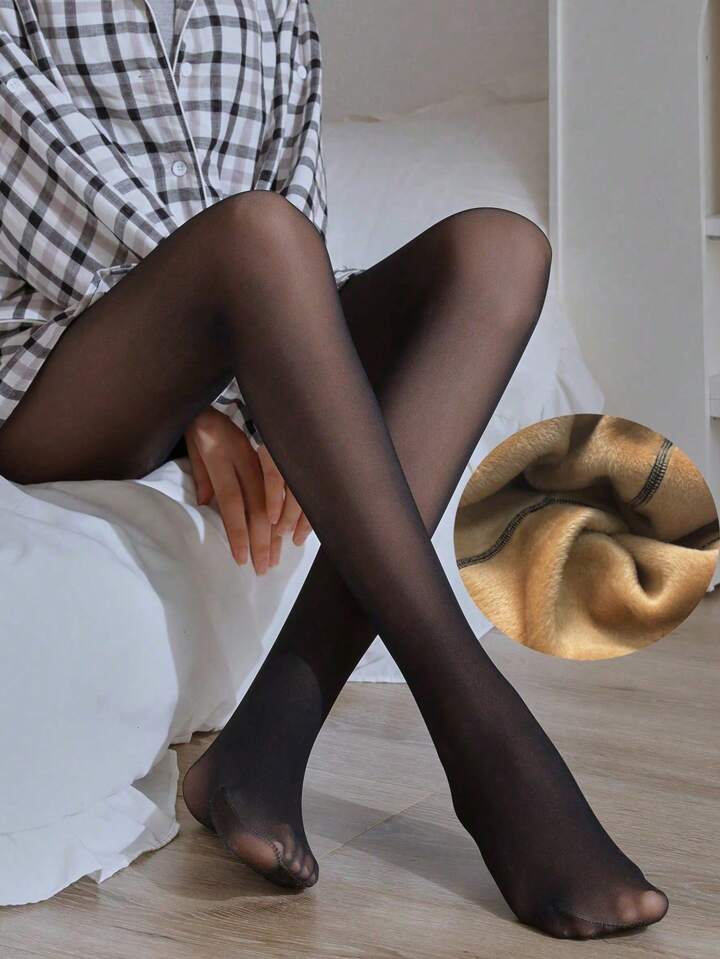
Thermal underwear is an absolute must for those living in cold climates. These pieces act as the base of your winter layering system and are designed to keep you warm without adding bulk.
Sweaters and Cardigans
A good sweater is a winter staple. Whether it’s a chunky knit or a merino wool pullover, sweaters provide warmth and style. Pair them with jackets or coats for a cozy, layered look.

Winter Fashion Trends
Winter fashion doesn’t have to mean sacrificing style for warmth. The 2025 winter fashion trends embrace both comfort and chic. Some key trends to watch out for this season include:
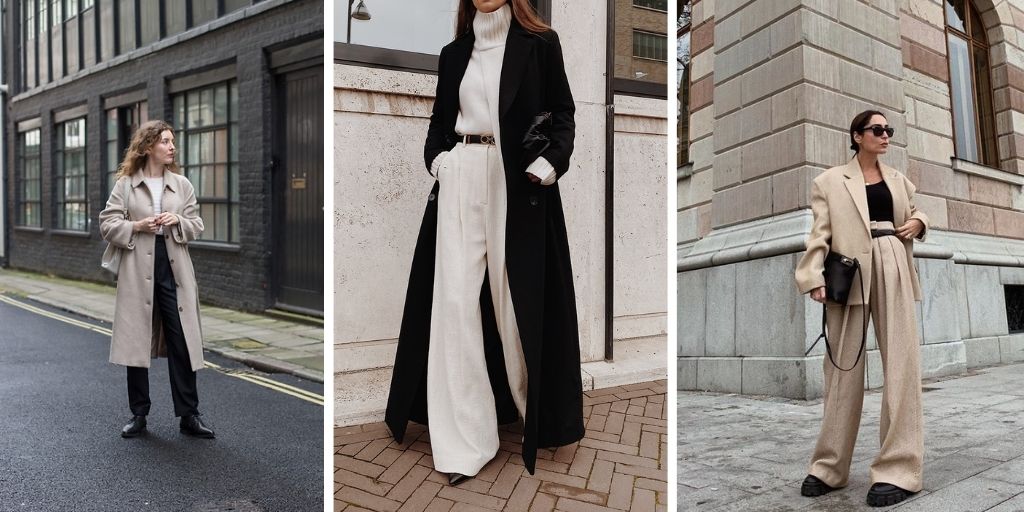
- Oversized Coats: Think chic, cozy, and dramatic.
- Faux Fur: Adds a touch of glamour and warmth.
- Bright Colors: Bold reds, oranges, and blues are making their way into winter wardrobes.
- Layering Accessories: Mixing scarves, hats, and gloves to create a personalized look.
Caring for Your Winter Clothes
To keep your winter wardrobe in tip-top shape, proper care is essential. Always follow the care instructions on labels, and consider investing in garment bags for delicate items like down jackets. Be sure to wash wool and fleece gently to prevent shrinkage or damage, and store your winter clothes properly in the off-season to extend their life.
Conclusion: Embrace the Cold in Style
Winter doesn’t have to be something you dread—it can be an opportunity to show off your style while staying warm and comfortable. With the right winter clothes, you can enjoy everything the season has to offer, from winter sports to cozy nights at home.
So go ahead, layer up, add some trendy accessories, and step out into the cold with confidence. After all, winter is the perfect time to embrace cozy vibes and a new wardrobe!
Leave a Reply